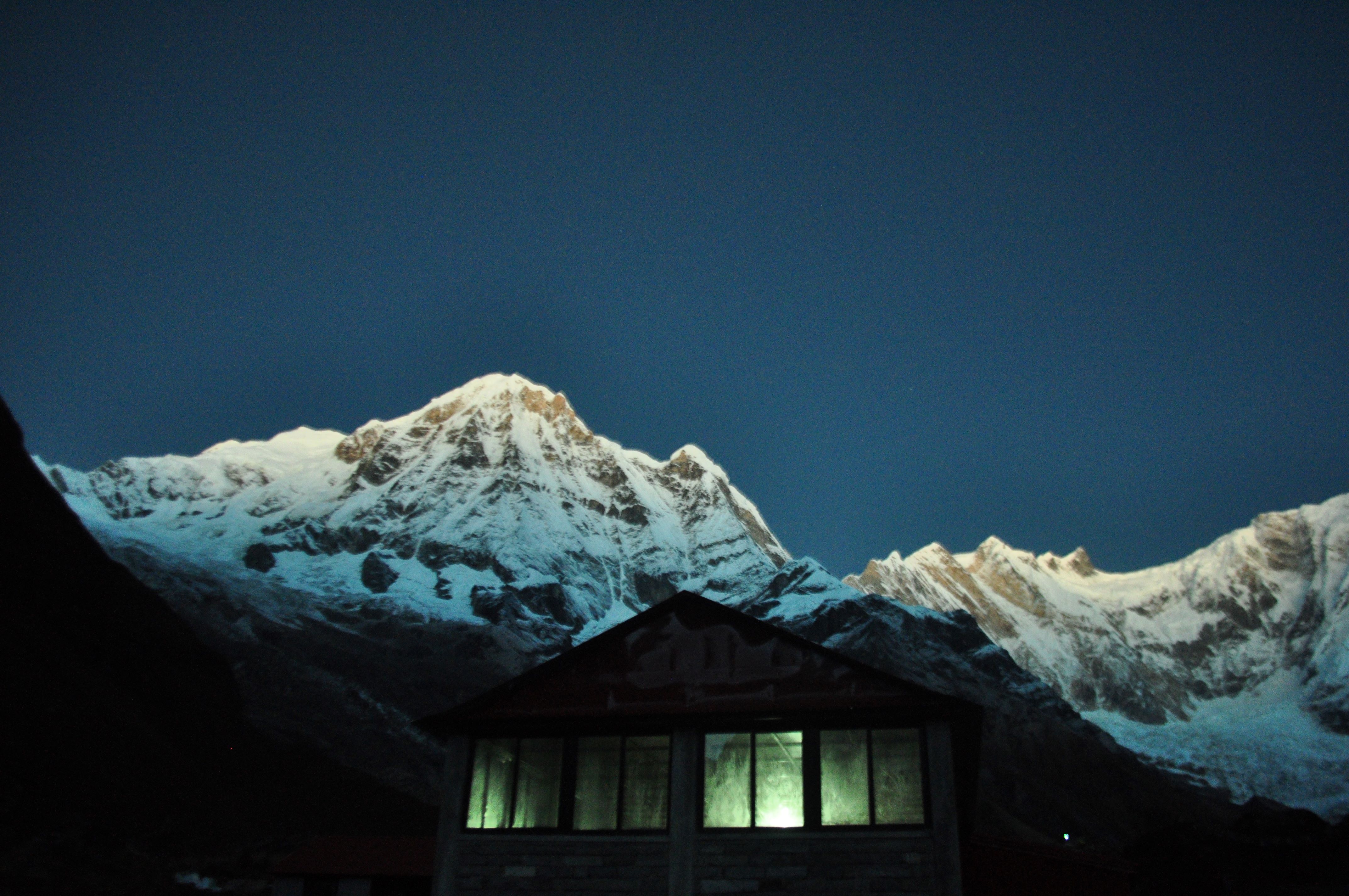
Annapurna
Welcome to Annapurna
The word "Annapurna" comes from a Sanskrit name where "anna" means "grains" and "purna" means "full." Together, it means "full of grain." It is also normally translated as "Goddess of the Harvests" or, more simply, "The Provider." The Hindu goddess of fertility is also known as Annapurna. Annapurna is basically regarded as "the universal and timeless kitchen goddess, the mother who feeds."
Annapurna Massif
Mt. Annapurna, the 10th-highest mountain in the world, is at an altitude of 8,091 m (26,545 ft). It is located east of a massive gorge cut through the Himalayas by the Kali Gandaki River, which separates it from the Dhaulagiri massif. The Annapurna range is a series of peaks stretching 55 km. Mt. Annapurna I is the main peak of this chain of mountains, which includes Annapurna II (7937 m), Annapurna III (7555 m), Annapurna IV (7525 m), and Annapurna South (7219 m). Other peaks mostly obscure Annapurna I. The entire massif lies within the Annapurna Conservation Area Project (ACAP).
Conquering the summit—the first ascent of an eight-thousander
It was first submitted by a French expedition led by Maurice Herzog and Louis Lachenal on June 3, 1950, and the first Nepali climber to summit this peak was Sonam Wolang Sherpa on October 13, 1977. The conquest of Annapurna I was remarkable in many ways. For a start, the French climbers spent weeks just trying to locate the mountain, as it was still unexplored. They achieved the first ascent of an eight-thousander, and even more remarkable was their success on their first attempt.
Beauty of Annapurna Conservation Area (ACA)
The Annapurna area falls within the Annapurna Conservation Area Project (ACAP), which was established in 1986 to protect and support people, nature, and wildlife. Annapurna conservation areas favour a community-based, sustainable approach rather than strict, exclusionary protection.
Area: 7,629 sq. km. (Nepal's largest protected area)
Elevation variation: 1,000 m to 8,091 m within a 50 KM stretch
Unique features: naturally rich and diverse, vibrant cultural sanctuary, home to a diverse tapestry of ethnic groups.
Why Annapurna: Key Features of Annapurna Conservation Area (ACA)
- Naturally rich and diverse: Broad range of altitudes, ranging from 1,000 m to 8,091 m. This drastic change in altitude in the 50 KM stretch makes Annapurna naturally rich and diverse, contributing to the area's exceptional ecological richness and biodiversity.
- Climatic Variation: The Annapurna chain of mountains lies inland, causing a large area, including Manang and Mustang, to fall in the rain shadow, where the ideal time for trekking is during the monsoon, as there is no rainfall and temperatures are moderate in these areas. These parts are considerably drier than the southern slopes of the mountains. This phenomenon leads to a desert-like arid landscape very different from regions lower down, where there are green pastures and fertile farmland.
- Majestic Mountains: The Annapurna Massif with one 8,000-meter peak, thirteen peaks over 7,000 meters, and sixteen over 6,000 meters. Annapurna I (8,091 m), Annapurna II (7,937 m), Annapurna III (7,555 m), Annapurna IV (7,525 m), Annapurna South (7,219 m), Gangapurna (7,455 m), Hiunchuli (6,441 m), Machhapuchhre ‘Fishtail’ (6,993 m)
- Wildlife: 105 mammals, 523 birds, 40 reptiles, and 23 amphibians, including the endangered snow leopard, red panda, and Himalayan musk deer. It is also rich in biodiversity and a hotspot for 1,226 plant species—including 55 endemic species—and more than 474 bird species, such as the Himalayan monal.
- Vibrant cultural sanctuary: Ethnic Gurung and Magar in the south, and Thakali, Manange, and Loba in the north, with their dialects and unique cultures and traditions. Additionally, there are also Brahmin, Chhetri, and other occupational castes in smaller numbers. Hindu, Buddhist, and pre-Buddhist religions, as well as mixtures of these, are prevalent across the region.
- world’s deepest river gorge—Kali Gandaki Gorge: 3 miles long and 1.5 miles wide, a valley with fossils from the Tethys Sea dating 60 million years ago. The gorge separates two 8000-meter High mountain ranges: the Annapurna range and the Dhaulagiri range.
- The world’s largest Rhododendron forests are in Ghorepani.
- World’s highest altitude freshwater Lake: Tilicho Lake in Manang
- Community-Based Management: Local committees (CAMCs/Women's Groups) are responsible for daily management, trail maintenance, waste management, and wildlife habitat protection, ensuring local ownership.
- Self-Sustaining Revenue Model: Tourism entry fees and permits (ACAP + TIMS) are reinvested directly into the region for conservation projects and community development, such as building schools and health posts.
- Integrated Tourism Management: ACAP advocates for eco-friendly tourism that minimises negative effects. They oversee more than 1,000 lodges, promote the use of kerosene instead of firewood, and coordinate waste management efforts.
- Biodiversity & Cultural Conservation: It safeguards a variety of ecosystems, from warm subtropical areas to cold alpine regions (which include snow leopards and over 1,200 types of plants), while also protecting the cultural traditions of the
- Large-Scale Coverage: Spanning 7,629 sq km across five districts (Kaski, Lamjung, Manang, Mustang, Myagdi), ranging from 1,000 m to 8,091 m.
- Guided Trekking Requirement: Solo trekking is generally not permitted; a licensed guide is mandatory to ensure safety and environmental compliance.
Join our specially designed Annapurna Trails, which offer short, easy trails suitable for all age groups, to high-altitude trails.
Possible Annapurna Region Routes
The legendary Annapurna region is the most diverse and popular trekking area in Nepal. The Annapurna region offers treks for all, from the three-week Annapurna Circuit, which extends into the historic Mustang region, to shorter three-day treks and tours suitable for all age groups. The Annapurna region is one of the prime travel destinations in Nepal.
Available Packages

Manasulu Trek
Manaslu via Larkya La (5100m) is an 14-18-day trek . This trek will showcase the fascinating art and culture o...
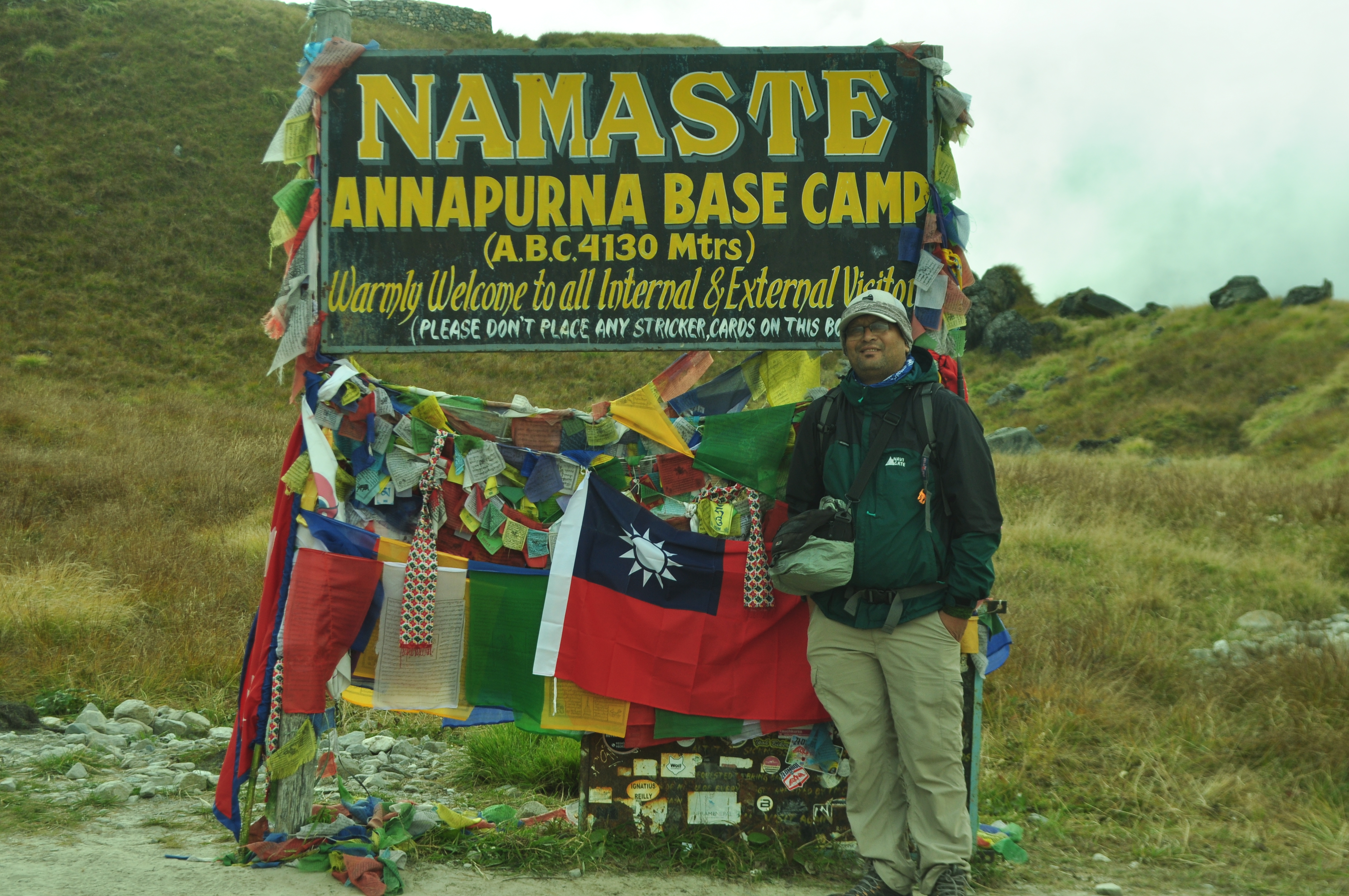
Annapurna Experience
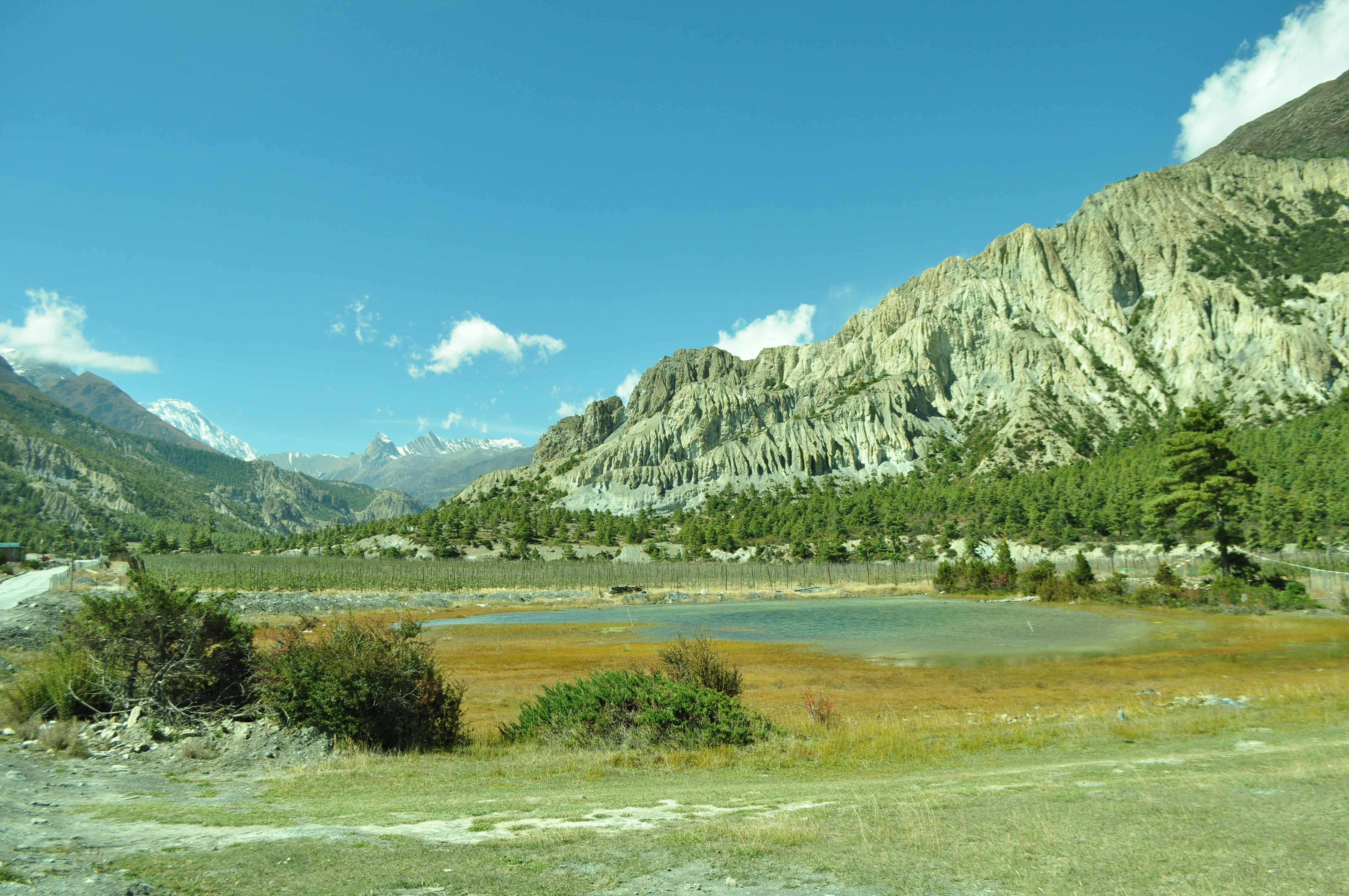
Annapurna circuit
Annapurna circuit is a classic trek. The most popular trekking starts from Besisahar, meaning (a lowland river...

Poonhill Ghorepani
At an altitude of 3210 m, Poonhill is one of the best sunrise viewpoints in Annapurna. This trail fits all kin...
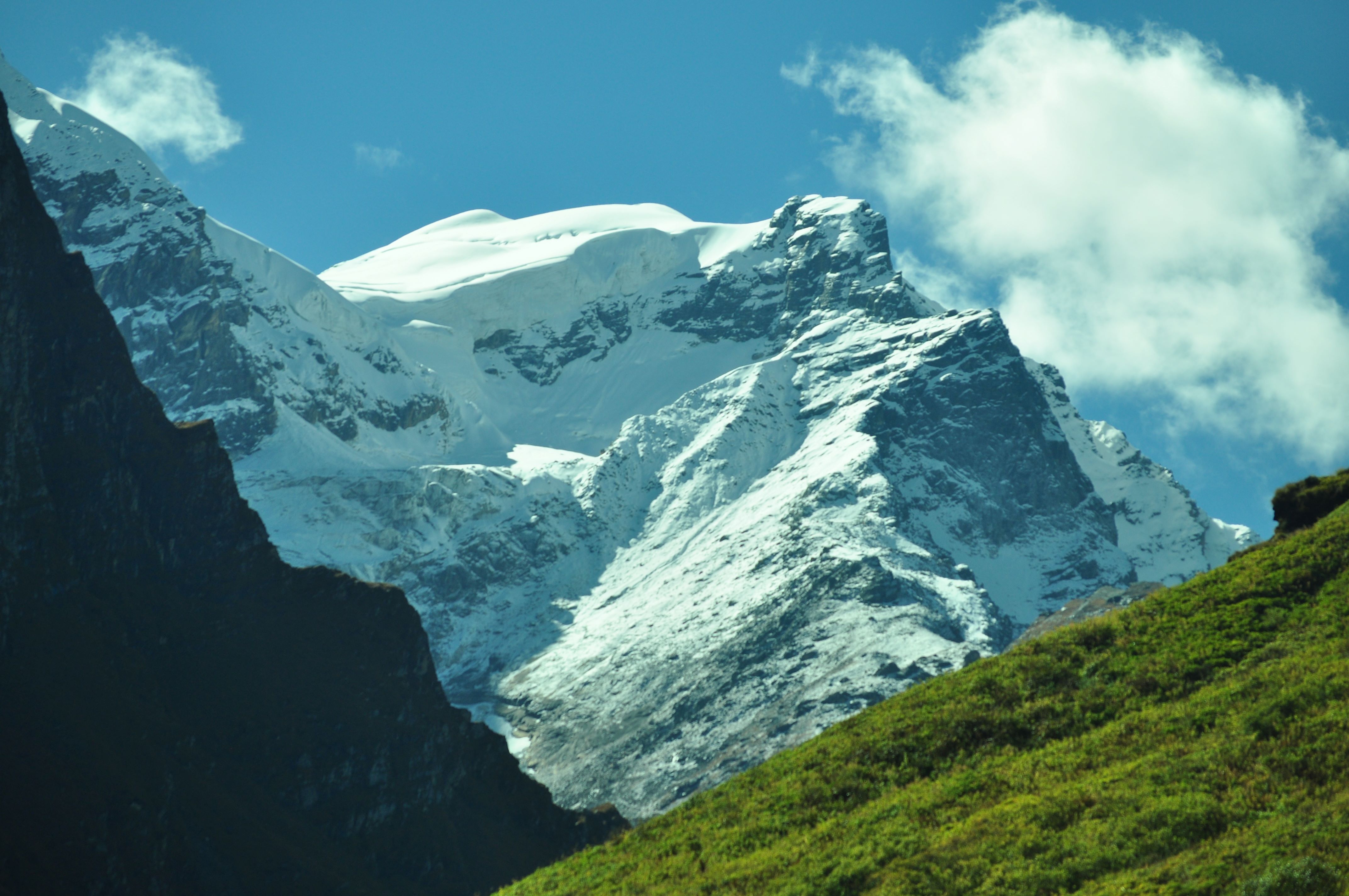
Annapurna Base Camp
Annapurna Base Camp 4,130 m is one of the scenic and adventurous trekking routes in the Annapurna Conservation...


